4,7 / 5


 Tactical Clothing
 Tactical Gear
 Airsoft Parts & Upgrades
 Airsoft Accessories
 Magazines
 Ammunition & Gas
 Survival & Outdoor
 New Arrivals
 Outlet
HPA Airsoft Parts
HPA Airsoft parts together form the system that enables an airsoft replica to operate using compressed air. Instead of gas from a traditional magazine or a conventional electric drive, the HPA system uses an external air source which supplies controlled pressure to the replica via a regulator and an air hose. Depending on the chosen configuration, an HPA system can be built around a complete HPA Engine, a modified GBB replica or a magazine adapter.
Go straight to the right information:
• Why choose HPA Airsoft Parts?
• What parts do you need for an HPA system?
• HPA Engines
• FCU
• HPA Cylinders
• Regulators
• Grip/Remote Lines
• Batteries for HPA
• HPA Adapters
• How does an HPA system work?
• Which HPA configuration suits your replica?
• Compatibility between HPA components
• What should you bear in mind when putting together an HPA system?
• Handling HPA parts safely
• Maintaining an HPA setup
• What should you look out for when buying HPA airsoft parts?
• Frequently asked questions about HPA airsoft parts
In the HPA Airsoft Parts section at Airsoft-Legends, you’ll find the key components for building, customising and maintaining an HPA setup. The range is divided into HPA Engines, FCUs, Tanks, Regulators, Grip/Remote Lines, HPA Batteries and Adapters. Which parts you need depends on the replica and how you intend to use your HPA system.
Why choose HPA Airsoft Parts?
An HPA system offers a wide range of options for fine-tuning the air supply and operation of an airsoft replica. As the various components can be selected individually, you can put together a configuration that suits the platform you are using and your intended application.
It is important not to view the HPA as a single, separate component. The cylinder, regulator, tubing and the internal or external HPA system must all be correctly connected to one another. In the case of electronic HPA engines, the FCU and battery also play a role.
A well-designed HPA configuration offers a number of advantages:
| Advantage | What does this mean in practice? |
|---|---|
| Consistent performance | A well-adjusted regulator helps to maintain a stable operating pressure and can improve shot consistency. Variations may still occur due to the adjustment, air supply and other components of the replica. |
| Precisely adjustable | With suitable systems, you can adjust the operating pressure within the specified limits. Check the actual muzzle energy using a chronograph and take account of the applicable field regulations. |
| Snelle trigger response | Many HPA Engines offer a fast trigger response. The actual response time depends, amongst other things, on the Engine, the control system and the settings. |
| Adjustable rate of fire (ROF) | With electronic HPA engines, you can use the FCU (Fire Control Unit) to set the rate of fire and any burst modes with great precision. |
| Less temperature-sensitive operation | HPA is generally less susceptible to the cooldown effect of traditional gas systems, but this depends on the configuration used and the conditions. |
| Less mechanical wear and tear | In many AEG-to-HPA conversions, traditional drive components such as the motor, gears and piston mechanism are no longer used. Whilst this may reduce wear and tear on these components, regular maintenance remains essential. |
| Flexible & modular | The air supply can be used with various compatible replicas, provided that the connections, pressure ranges and other specifications match. |
Which benefits are most important to you depends very much on the HPA platform you choose. A complete engine build has different requirements to a GBB replica connected via an HPA adapter.
What components do you need for an HPA system?
An HPA setup consists of several components which, together, deliver air from the cylinder to the replica. Not every setup uses exactly the same components, but the basic configuration usually consists of an air source, a pressure regulator and a connection to the replica.
Within this main category, we have therefore divided the items into different product groups.
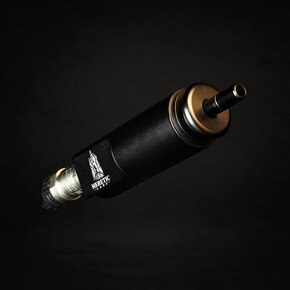
HPA Engines
In many replicas, an HPA Engine replaces a large part of the original internal drive system. The Engine uses compressed air to fire the BB and is therefore the central component of a complete HPA conversion.
There are various engine systems and configurations available, and compatibility with the gearbox, replica and other internal components is important. We discuss in more detail which engine is suitable and how the different systems differ from one another in the HPA Engines category.
FCU
The FCU, or Fire Control Unit, is used in electronic HPA systems to control various engine functions. Depending on the system, it can be used to adjust the firing cycle settings.
Not every HPA Engine uses the same FCU, and some systems operate entirely mechanically. It is therefore important to choose an FCU that is compatible with the HPA system in question.
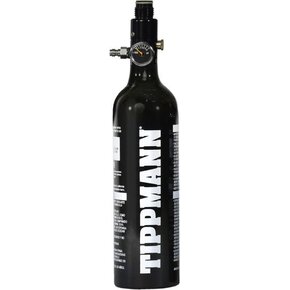
HPA Bottles
The HPA cylinder acts as the system’s air supply. Compressed air is stored in it at high pressure, after which it is reduced via a regulator to a working pressure suitable for the replica.
Bottles are available in various sizes and designs. Which bottle is most practical depends, amongst other things, on the setup you’ve chosen and how much air capacity you want to take with you on a day out.
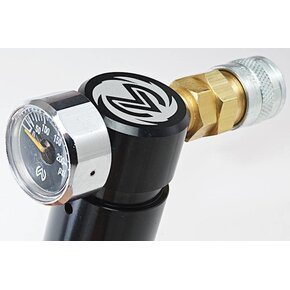
Regulators
An HPA regulator ensures that compressed air is supplied to the replica at a suitable, controlled working pressure. The regulator thus forms a vital link between the air supply and the replica.
In many HPA set-ups, the pressure is reduced in two stages. The cylinder regulator first reduces the high storage pressure in the HPA cylinder. A suitable secondary HPA regulator then reduces this pressure to the replica’s operating pressure. You should therefore check not only the desired outlet pressure, but also whether the chosen regulator is suitable for the inlet pressure and connection of the cylinder system being used.
Not every regulator is suitable for every application. Connections, pressure range and compatibility vary from system to system, so it is advisable to select the regulator as part of the complete HPA configuration.
Grip/Remote Lines
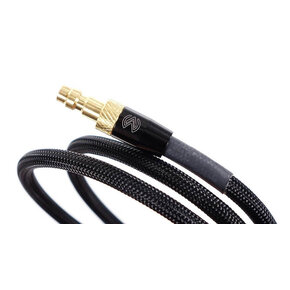
An HPA hose, also known as a Remote Line, forms the connection between the regulator and the replica. Within this category, you will find various Grip Lines and Remote Lines that are used to carry compressed air from one component to another.
A Remote Line usually runs from the external regulator to the replica, whilst Grip Lines may form part of the connection inside or around the grip of an HPA build.
The couplings used must always be compatible with the other components of the system.
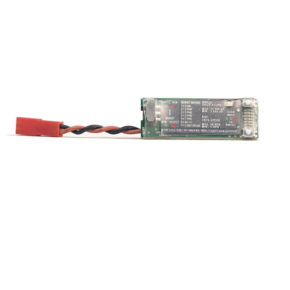
Batteries for HPA
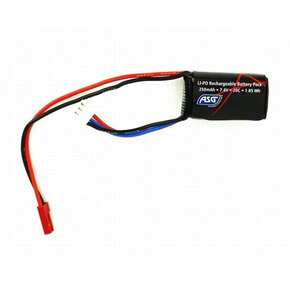
Electronically controlled HPA systems require a compact battery to supply power to the FCU and associated electronics.
These batteries are specifically designed for HPA systems and differ from the larger batteries used in traditional AEG replicas. Always check which battery type and connector are specified by the manufacturer of the HPA system.
HPA Adapters
The HPA Adapters range includes various solutions that enable an existing gas replica or gas storage facility to be connected to an external HPA air supply.
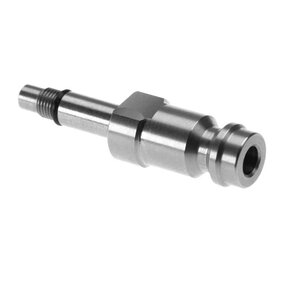
A common solution is an HPA Nipple, which is fitted in place of the original GBB Fill Valve. This allows the magazine to be connected directly to an HPA line.
In addition, there are larger HPA magazine adaptors that act as an interface between a GBB magazine and, for example, an M4 magazine. These not only utilise an external air supply, but also allow the BB capacity to be significantly increased.
As these systems can vary significantly from one replica and warehouse to another, we cover compatibility and the different types of adapters in greater detail in the HPA Adapters category.
How does an HPA system work?
In a traditional HPA configuration, compressed air is stored in an external cylinder. The pressure in this cylinder is much higher than the pressure at which the replica ultimately operates. For this reason, a regulator is fitted between the cylinder and the replica.
The airflow is broadly as follows:
- The HPA cylinder contains the compressed air supply.
- The regulator reduces the high cylinder pressure to a suitable outlet pressure.
- A Remote Line transports the regulated air to the replica.
- The HPA engine or adapter receives this air and uses it to power the replica.
- In electronic engines, the FCU controls the relevant functions of the system.
In the case of a GBB replica with an HPA adapter, a larger proportion of the original gas mechanism is retained. In this case, the external air supply primarily replaces the traditional gas reservoir, whilst the operation of the replica itself remains largely based on the existing GBB system.
As a result, there are various types of configuration within HPA. It is therefore important to first determine which approach to using HPA you wish to adopt before selecting individual components.
Practical tip
When putting together an HPA system, don’t start with a single component, but with the complete configuration. First, decide whether you want to use a complete HPA engine, connect an existing GBB replica to the HPA, or work with a cylinder adapter. Based on that choice, you can determine much more precisely which cylinder, regulator, hose, adapter and any electronics you will need.
Which HPA configuration is right for your replica?
Not every HPA configuration is set up in the same way. The key decision is whether you want to completely rebuild a replica using an HPA Engine, or whether you want to connect an existing GBB replica to an external air supply via an adapter.
In a complete HPA build, the Engine forms the heart of the system. In a GBB solution, the original gas mechanism is largely retained, and it is primarily the way in which the replica is supplied with gas that is modified.
HPA Engine in een AEG-platform
A common HPA configuration involves replacing the original AEG drive system with an HPA engine. In this HPA conversion, the original electric drive of an AEG is replaced by a system that uses regulated compressed air. The gearbox shell and various other parts of the replica can remain part of the assembly, whilst the electric motor, gears and traditional compression set are no longer used for propulsion.
Depending on the engine selected, the system can be controlled electronically or mechanically. Electronic systems usually make use of an FCU and a small battery, whilst mechanical systems can operate without electronic control.
When putting together a build like this, particular attention must be paid to the compatibility between the engine, gearbox version, nozzle position and other internal components. We cover these specific differences in more detail in HPA Engines.
HPA for GBB pistols
A GBB pistol can be used with HPA in a different way. Instead of an internal engine, the existing gas magazine or a special adapter magazine is connected to an external air source.
For example, an HPA nipple can replace the original fill valve on a suitable GBB magazine. The external air line is then connected directly to this fitting.
This solution changes the way the magazine is supplied with gas, but the pistol’s blowback action remains based on the original GBB mechanism.
HPA warehouse adaptors
Another option is to use an HPA magazine adapter. This involves combining an adapter with the gas chamber of a GBB magazine, creating a connection for a magazine with a larger BB capacity, such as an M4 magazine.
This configuration is particularly useful for players who want to use a GBB pistol without having to change magazines every time the magazine capacity is exhausted.
The exact design varies depending on the adapter and platform. We therefore cover the different models and compatibility separately under HPA Adapters.
Compatibility between HPA components
An HPA system consists of components that work together as a chain. It is therefore important not only to check whether each component is suitable on its own, but also to ensure that the connections and specifications are compatible with one another.
For example, a cylinder may be technically suitable for HPA, whilst the chosen regulator or coupling may not be compatible with the rest of the configuration. The same applies to remote lines, grip lines and connections to the replica.
When combining HPA parts, please bear in mind the following, amongst other things:
- Cylinder and regulator: check that the regulator is suitable for the type of cylinder being used and the relevant connection.
- Outlet pressure: ensure that the regulated operating pressure falls within the range of the connected HPA system.
- Connections: check that the cable and connectors used are compatible with one another.
- Engine: choose a version that is suitable for the relevant gearbox and replica.
- FCU: Only use an FCU that is designed for the relevant electronic HPA system.
- Battery: check the specified voltage, battery type and the system’s connection.
- Adapters: check compatibility with both the GBB replica and the magazine used on the adapter.
Connectors, in particular, require careful attention. HPA systems may use different connection standards, and connectors that look similar are not necessarily interchangeable.
You should therefore use the product specifications for the various components as a starting point and not rely solely on the appearance of a connector.
What should you bear in mind when putting together an HPA system?
A good HPA configuration starts with determining the purpose of the build. If you know in advance what type of replica you want to use and how the air supply should be connected, it becomes much easier to select the right components.
So don’t start by buying a single cylinder or regulator straight away; instead, work your way outwards from the replica.
A practical order is:
- Decide which type of HPA system you want to use.
- Check which engine or adapter is suitable for your replica.
- Determine which connection is required from the replica.
- Choose a suitable Grip Line or Remote Line.
- Select a regulator that is suitable for the system.
- Next, choose an HPA cylinder that is suitable for your required configuration.
- For electronic systems, ensure you include the correct FCU and battery.
By reviewing the configuration in this order, you reduce the likelihood of buying components that appear suitable on their own but ultimately do not work together.
Working pressure and adjustment
The regulator determines the pressure sent from the cylinder to the replica. This pressure must be suitable for the system being used.
Higher pressure does not automatically mean better performance. An HPA Engine or GBB configuration is designed to operate within a specific operating range. Unnecessarily high pressure can disrupt operation and place additional strain on components.
The correct setting is therefore determined by the combination of the replica, the HPA system and the desired performance. We discuss specific pressure settings under the relevant product categories and products, as there is no universal value for this.
Air capacity
The amount of air required also varies from user to user. A compact cylinder can be convenient because it is lighter, whilst a larger cylinder provides a greater air reserve.
How long you can play with a bottle depends, amongst other things, on:
- The capacity and pressure rating of the bottle.
- The set workload.
- The HPA system used.
- The efficiency of the Engine or GBB replica.
- The number of shots taken during a match day.
Consequently, the largest bottle is not automatically the best choice. Weight, comfort when carried and available air capacity must all be in balance.
Handling HPA Components Safely
HPA systems operate using high-pressure compressed air. The cylinder and primary pressure regulator must therefore always be treated as pressure-retaining components.
At airsoft events governed by the NABV safety regulations, an HPA replica must be fitted with a tournament lock or another verifiable device that prevents the muzzle energy from being adjusted during the event. Have the replica checked in accordance with the organiser’s regulations and do not alter the pressure setting after this check. In addition, always check the applicable field rules and joule limits before you start playing.
Use only components that are suitable for HPA and the relevant pressure. Damaged cylinders, couplings or hoses must not remain in use until it is clear that they are safe.
Please note the following points during use and maintenance:
- Check the cylinder, regulator and hoses regularly for visible damage.
- Do not use couplings or hoses that are not designed for the relevant pressure.
- Do not force threads or connections if parts do not fit easily.
- Take care to ensure that an HPA cylinder does not fall from a height or suffer mechanical damage.
- Depressurise a system before dismantling any components downstream of the regulator.
- Keep the connections clean to prevent dirt from getting into the regulator, hose or replica.
- When inspecting, filling and maintaining bottles, always follow the manufacturer’s instructions and the applicable regulations.
Furthermore, a small air leak at a coupling is no reason to keep tightening the connection further. First, check the connection, the seal and the compatibility of the parts used.
Maintenance of an HPA configuration
HPA systems have relatively few moving parts on the outside, but regular checks remain important. Couplings and hoses, in particular, are frequently connected, disconnected and moved during a day’s play.
You should therefore check regularly that the quick-disconnect couplings are operating smoothly and that the remote line shows no kinks, damage or wear. Keep the connections free of sand and dirt before connecting them.
Specific maintenance instructions from the manufacturer apply to engines, regulators and other technical components. Do not dismantle these parts unnecessarily if the system is functioning correctly, and only use parts and lubricants recommended for the system in question.
Furthermore, a fault in an HPA build is not always caused by the Engine. A poorly connected hose, insufficient air supply, a regulator malfunction or a faulty electrical connection can all cause similar symptoms.
What should you look out for when buying HPA airsoft parts?
If you wish to purchase HPA airsoft parts, it is important to first decide what type of HPA setup you want to build or maintain. A complete HPA engine build requires different parts to a GBB pistol that is connected to an external air supply via an HPA adapter. By working from the replica and the chosen system, you can avoid buying components that are technically incompatible with one another.
When selecting HPA parts, please bear the following points in mind:
- HPA system type: specify whether you are using an HPA engine, a GBB adapter or another external air configuration.
- Platform compatibility: check whether the part is suitable for your replica, gearbox, magazine or adapter.
- Connections: check that regulators, remote lines, grip lines and couplings are compatible with one another.
- Operating pressure: choose components that are suitable for the pressure range of your HPA system.
- Electronic control system: for electronic engines, check which FCU and battery are required.
- Air capacity: choose a bottle that suits your desired playing time, weight and the way you carry the bottle.
- Future expansion: bear in mind any components you might wish to add to the same configuration at a later date.
With HPA, it is particularly important not to view individual products as if they function entirely independently of one another. A regulator, cylinder or remote line may be a suitable product in its own right, but it must ultimately be compatible with the rest of the HPA setup.
You should therefore always check the product specifications and stated compatibility before ordering a part.
HPA Airsoft Parts under Airsoft Parts & Upgrades
HPA Airsoft Parts form part of our range of Airsoft Parts & Upgrades. Within this main category, you’ll find both components for converting AEG replicas to HPA and solutions for connecting existing GBB systems to an external air supply. The various sub-categories help you find specific parts for the configuration you wish to build or maintain.
We deliberately cover the technical differences within each product group in the relevant sub-category. For example, within ‘HPA Engines’, you can compare specifically which engine is suitable for your platform, whilst within ‘Regulators’ or ‘Cylinders’, you can look at the features that are relevant to those components.
Common mistakes with HPA Airsoft Parts
When putting together an HPA configuration, the main thing to bear in mind is compatibility. Many problems arise not because a component is faulty, but because different components are not properly matched to one another.
These are common mistakes made when selecting and using HPA components:
- Ordering an HPA Engine without checking its gearbox or platform compatibility.
- Choosing a regulator without checking whether it is suitable for the cylinder being used and the intended application.
- Assume that all HPA couplings and remote lines are interchangeable.
- Connecting any battery to an FCU without checking the voltage and the connection.
- Increasing the workload on the assumption that more pressure automatically leads to better performance.
- Selecting an HPA adapter based solely on the replica, without checking the GBB and M4 magazines used.
- Purchasing individual components without deciding in advance how the complete HPA configuration should be set up.
- Dismantling an internal component when the cause of a fault actually lies with the cylinder, regulator or air line.
By first checking the entire air route and the compatibility of the configuration, many of these problems can be easily avoided.
Frequently Asked Questions about HPA Airsoft Parts
What do I need to play HPA airsoft?
That depends on the system you’re using. A complete HPA Engine build usually requires an Engine, a cylinder, a regulator and an air hose. Electronic systems also require an FCU and a battery. With a GBB replica fitted with an HPA adapter, other parts of the original system remain unchanged; essentially, only the external air supply is added.
What is the difference between an HPA Engine and an HPA Adapter?
An HPA Engine forms the internal drive mechanism of the replica and, in many builds, replaces a large part of the original AEG mechanism. An HPA Adapter is used, for example, to connect an existing GBB replica or gas magazine to an external HPA air source.
Do I always need an FCU with an HPA?
No. Electronically controlled HPA engines can use an FCU, but there are also mechanical HPA systems that operate without electronic control.
What is an HPA regulator used for?
A regulator reduces the high pressure from the HPA cylinder to a lower, controlled working pressure that is suitable for the connected HPA system.
Can I use any HPA cylinder with any regulator?
Not necessarily. Always check the connection type and specifications provided by the manufacturers of the cylinder and regulator. The various components must be compatible as a complete set.
What is the difference between a Grip Line and a Remote Line?
A Remote Line usually forms the external connection between the regulator and the replica. A Grip Line is used as part of the air connection around or inside the grip of certain HPA builds. The exact application depends on the configuration.
Why does an electronic HPA engine need a battery?
The battery supplies power to the FCU and the electronic control system. The compressed air provides the energy for the firing action itself, whilst the electronics determine when and how the system is controlled.
Can I connect a GBB pistol to an HPA system?
With suitable GBB platforms, this is possible using a compatible HPA nipple or magazine adapter. For example, an HPA nipple can be fitted in place of a fill valve, whilst a larger adapter can also provide a connection to a different type of magazine.
What is the advantage of an HPA magazine adapter?
An HPA magazine adapter enables a GBB replica to be used with an external air supply and, depending on the model, can be combined with a magazine with a larger BB capacity, such as an M4 magazine.
How do I know which HPA parts are compatible with each other?
Start with the replica and your chosen HPA system, then work your way towards the air supply. At each step, check the manufacturer’s stated compatibility, connections and specifications.
Advice from Airsoft-Legends
Whether you want to maintain an existing HPA setup, convert an AEG to HPA, or connect a GBB replica to compressed air: at Airsoft-Legends, you’ll find the parts you need to customise and maintain your HPA system.
Within our HPA Airsoft Parts category, you’ll find a well-organised range of HPA engines, FCUs, HPA cylinders, regulators, grip/remote lines, batteries for HPA and HPA adaptors. Thanks to this categorisation, you can easily find the product group that suits your replica and the work you wish to carry out.
From a replacement air hose or regulator to parts for a complete HPA conversion: at Airsoft-Legends, you’ll find HPA airsoft parts for the maintenance, repair and upgrading of your airsoft replica.