4,7 / 5

 Tactical Clothing
 Tactical Gear
 Airsoft Parts & Upgrades
 Airsoft Accessories
 Magazines
 Ammunition & Gas
 Survival & Outdoor
 New Arrivals
 Outlet
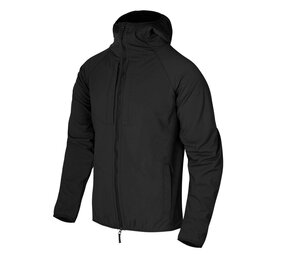
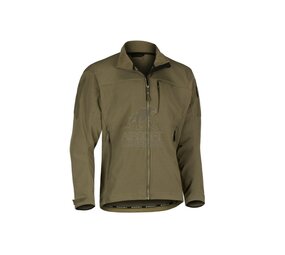
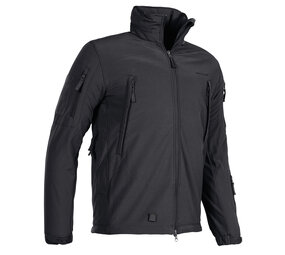
Softshell Jackets
Anyone looking to buy a tactical softshell jacket for outdoor use, airsoft or professional use will soon realise that not every jacket offers the same balance between protection, ventilation and freedom of movement. Particularly in changeable weather conditions, the quality of a softshell jacket determines how much comfort and performance are maintained.
Go straight to the information you need:
• Which softshell jacket is right for your needs?
• Fit and ergonomics in practice
• Budget versus Premium Tactical Softshell Jackets
• Colours and applications
• Frequently asked questions
The difference lies in the fabric construction, breathability and how the jacket moves with the wearer during use or when worn with equipment. Premium tactical softshell jackets combine flexibility with protection, enabling them to function as a versatile tactical outer layer during outdoor activities and professional operations.
What sets breathable softshell jackets apart is the combination of materials used:
| Merk | Material composition | Features |
|---|---|---|
| Clawgear | 97% polyester and 3% elastane | Focused on sustainability and flexibility |
| Helikon-Tex | 98% nylon and 2% elastane | Lightweight and durable |
| 101Inc. | 100% polyester | 4-way stretch for maximum freedom of movement |
| Outrider Tactical | 92% polyester and 8% elastane | Extra stretch en comfort |
| Pentagon | 94% polyester and 6% elastane | A balance between strength and flexibility |
These fabric constructions determine how effectively a softshell jacket ventilates, wicks away moisture and maintains freedom of movement during prolonged exertion. Especially in changeable weather conditions, you’ll notice that high-quality softshell jackets perform better and continue to function more consistently.
Particularly during longer days with backpacks, plate carriers or other equipment, differences in ventilation, shoulder construction and freedom of movement quickly become apparent.
Which softshell jacket is right for your needs?
The right choice depends on the situation in which you’ll be using the jacket. Tactical softshell jackets are highly versatile as a windproof and water-repellent outer layer for outdoor activities, everyday wear and professional use.
- Outdoor activities: Outdoor softshell jackets offer protection against wind and light rain whilst maintaining breathability during intense physical activity
- Casual use: Lightweight styles with a neutral look combine comfort with functionality for everyday use
- Professional use: Sturdy softshell jackets with reinforced panels and technical fabrics offer reliability under heavy use and during prolonged wear
- Intensive use: Stretch and ventilation ensure freedom of movement and temperature regulation during active moments
Particularly during prolonged use, shortcomings in ventilation, fit and freedom of movement quickly become apparent. This is precisely why striking the right balance between the intended use and the choice of materials is so important.
Within tactical layering systems, softshell jackets work most effectively when combined with insulating layers such as a tactical fleece gilet and moisture-wicking base layers. For most users, a tactical softshell jacket offers the best balance between protection, ventilation and freedom of movement. As a result, softshell jackets are often more versatile than heavy winter jackets or fully waterproof hardshells in active conditions.
Fit and ergonomics in practice
Fit has a direct impact on comfort and performance. An incorrect fit can lead to irritation, restricted movement or fatigue during prolonged use.
Athletic-fit stretch softshell styles have a closer fit. This works well for active use and when you’re carrying extra gear.
Regular-fit styles offer more room and are ideal for layering. This is particularly practical in colder weather or when comfort is a priority.
Pay attention to ergonomic details such as:
- Pre-shaped sleeves for natural freedom of movement
- Stretch panels for extra flexibility during movement
- Adjustable cuffs for a snug fit
During prolonged outdoor activities, hiking or intense exercise, you’ll immediately notice the difference between standard outdoor jackets and technically engineered tactical softshells. A high-quality softshell jacket for airsoft stands out from standard outdoor jackets thanks to a superior combination of ventilation, stretch and compatibility with tactical gear.
Budget vs Premium Tactical Softshell Jackets
Entry-level models often provide sufficient protection for leisure use and occasional outdoor activities. As a softshell jacket is used more intensively, differences become apparent in terms of ventilation, weather resistance, freedom of movement and durability.
Premium tactical softshell jackets stand out thanks to their technical fabrics, high-quality stretch panels and superior moisture management. This ensures they remain comfortable during prolonged physical activity and in changing weather conditions.
For players and professionals who are regularly active, a high-quality tactical softshell jacket or outdoor softshell jacket is often an investment that pays for itself in terms of comfort, durability and performance.
Colours and applications
In outdoor and tactical loadouts, the choice of colour determines how well a softshell jacket blends in with the terrain, equipment and camouflage scheme.
In outdoor settings, natural shades blend in better with the landscape and create less visual contrast. In urban or casual settings, neutral colours work better precisely because they blend in with the surroundings. Many users initially opt for black because of its versatile look, whilst Ranger Green, Olive Green and Coyote are better suited to woodland, outdoor activities and tactical loadouts. For those looking for a single softshell for multiple uses, these colours often represent the most versatile choice.
As softshell jackets are often worn for both practical and casual purposes, many people opt for versatile colours that work well in a variety of situations.
Common mistakes when choosing a softshell jacket
- Confusing a softshell with a fully waterproof raincoat.
- Don’t worry about layering in cold weather.
- Choosing a fit that is too loose for tactical gear.
- Underestimating the importance of ventilation during active operations.
- Focusing solely on water repellency and not on freedom of movement.
A good tactical softshell jacket isn’t just about protection from the elements, but above all about striking the right balance between comfort, breathability and flexibility.
Frequently Asked Questions
What is the difference between waterproof and water-repellent?
Softshell jackets are water-repellent thanks to a DWR coating. They protect against light rain, but are not completely waterproof like hardshell jackets.
Which softshell jacket is best suited for airsoft?
For most players, a tactical softshell jacket with good ventilation, stretch and water-repellent properties is the most versatile choice. This combination offers sufficient comfort during both CQB and outdoor gameplay.
What is the difference between a softshell and a hardshell jacket?
A softshell focuses on ventilation, freedom of movement and comfort during active use. A hardshell offers maximum protection against rain and wind, but generally provides less ventilation during intense exercise.
Is a softshell jacket suitable for professional use?
Yes. Tactical softshell jackets are widely used in security, training and other professional settings where comfort, freedom of movement and weather protection are important.
When should you choose a softshell jacket over a fleece gilet?
A softshell jacket is particularly useful when protection against wind and light rain is important. A fleece gilet is primarily designed for insulation and heat retention. Within a good layering system, the two are often combined to strike the perfect balance between protection, ventilation and temperature regulation.
Can I wear a softshell jacket in winter?
Yes, when worn with an insulating layer such as a fleece gilet. Softshell jackets are particularly suitable for active pursuits.
Are softshell jackets suitable for everyday use?
Yes, thanks to their comfort and understated style, they are ideal for casual wear.
Why do standard jackets perform less well during outdoor gameplay?
Standard jackets often lack stretch, ventilation and ergonomic design, which means that freedom of movement is restricted more quickly during intense activity. Tactical softshell jackets, on the other hand, are specifically designed for active use and changing weather conditions.
Which brands offer good-quality softshell jackets?
Helikon Tex, Clawgear, Pentagon and Outrider Tactical are known for their durable materials and functional designs.
What is the advantage of a softshell within a layering system?
A softshell acts as a protective outer layer that blocks wind and light rain whilst maintaining breathability. This helps to keep body temperature more stable during outdoor activities and prolonged exertion.
How do I care for my softshell jacket?
Use a mild detergent without fabric softener and avoid high temperatures. This helps to preserve the water-repellent coating and elasticity.
With a softshell jacket, you’re choosing a versatile layer that effectively combines comfort, protection and freedom of movement, suitable for outdoor activities, tactical layering systems and professional use in changing weather conditions.


- Free shipping from €99 (NL and BE)
- Visit our shop in Capelle aan den IJssel
- Returns within 14 working days